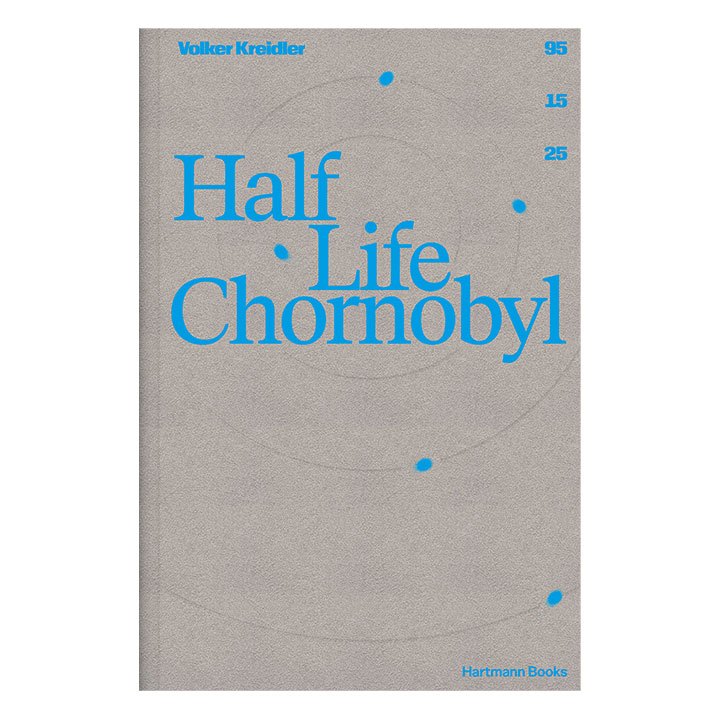




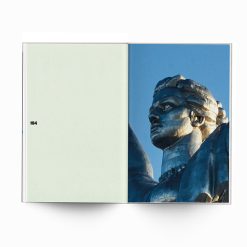
Volker Kreidler
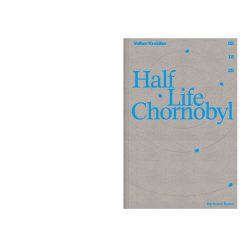
Half Life Chornobyl

€ 48.00
incl. VAT plus shipping costs
19,5 cm × 30 cm
248 pages, 128 ills.
Texts by Sascha Britsko, Reiner Geulen,
Oleksandr Lyapin and Volker Kreidler
German / English
Design: arc gestaltung, Berlin
Softcover
ISBN 978-3-96070-144-6
Description
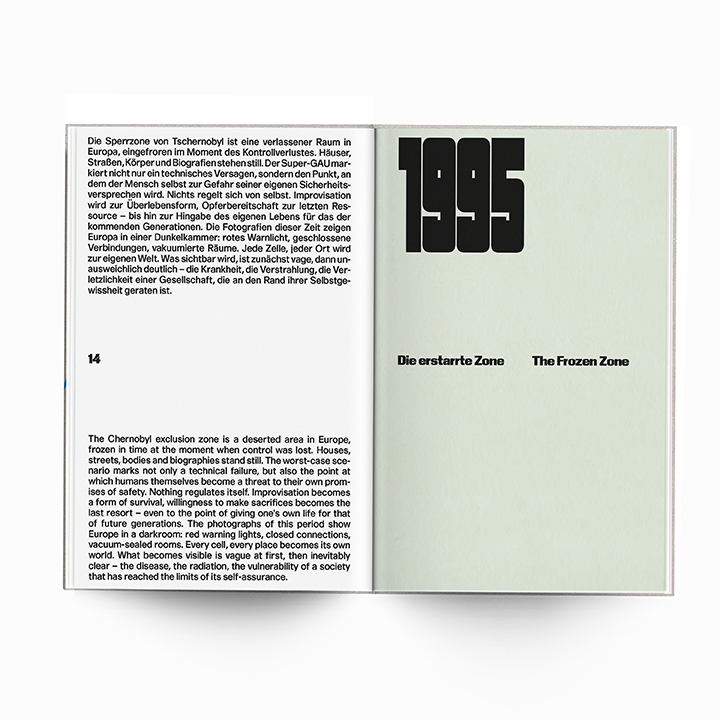
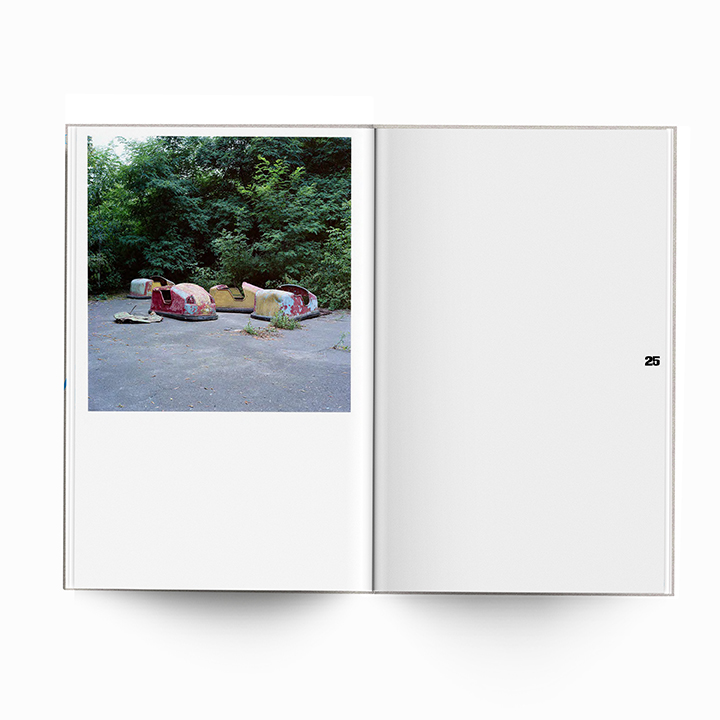
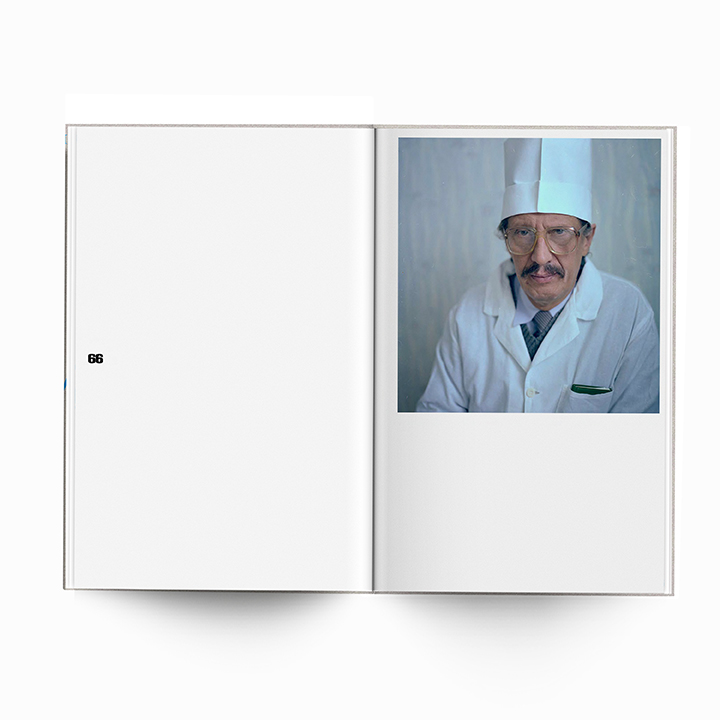
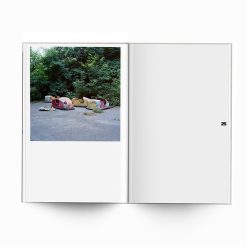
On April 26, 1986, the Chornobyl Nuclear Power Plant experienced the worst-case scenario in the history of civilian nuclear power. Nearly 10 years later, in 1995, the German Hygiene Museum in Dresden commissioned photographer Volker Kreidler to document the consequences of the disaster for people, places, and nature.
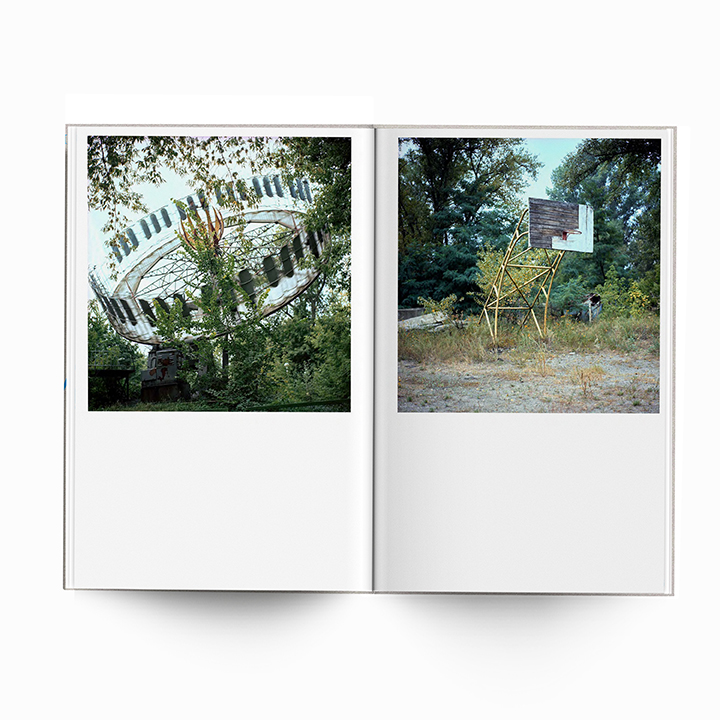
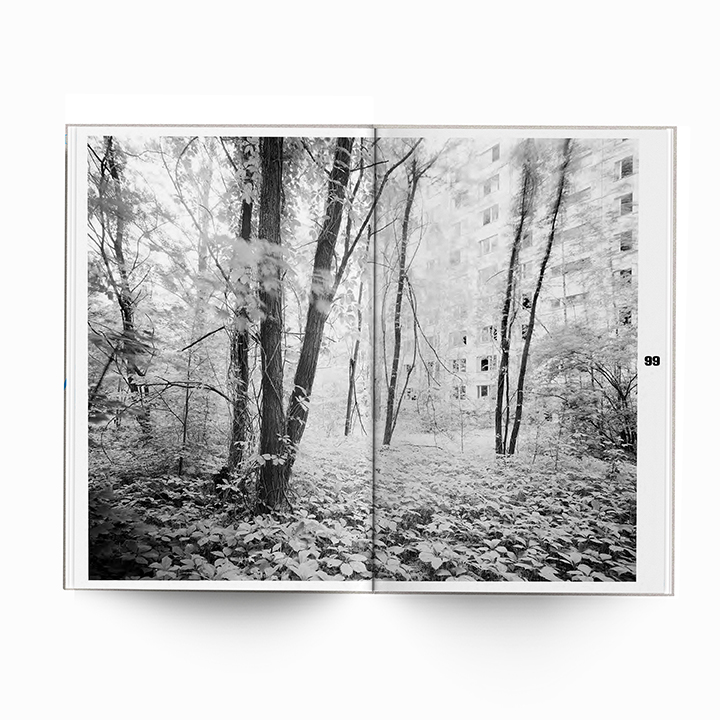
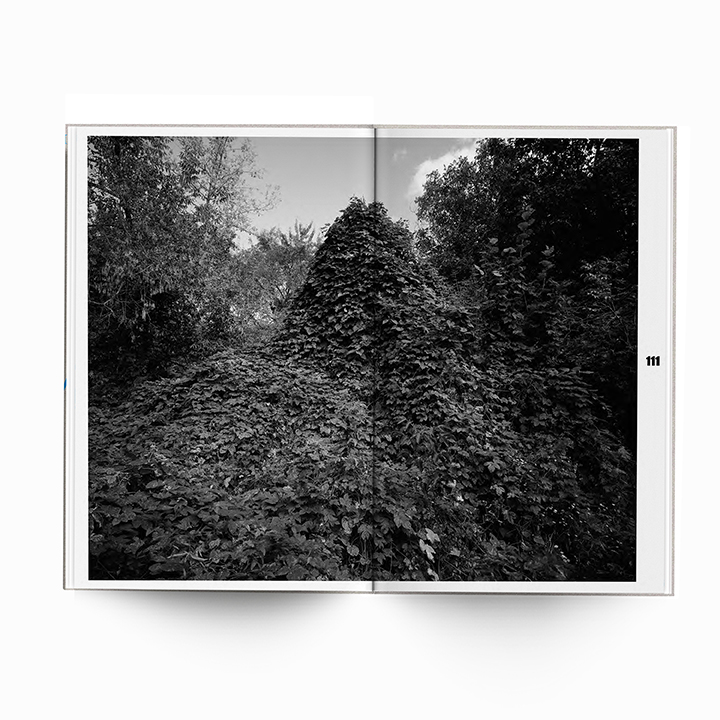
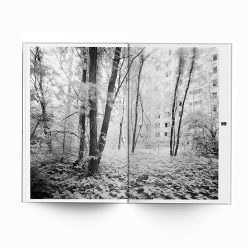
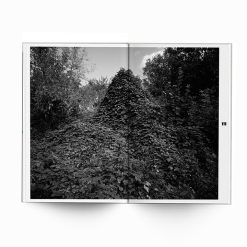
In 2015, the photographer returned to the exclusion zone to document nature’s reclamation of the land due to the near-total absence of humans.
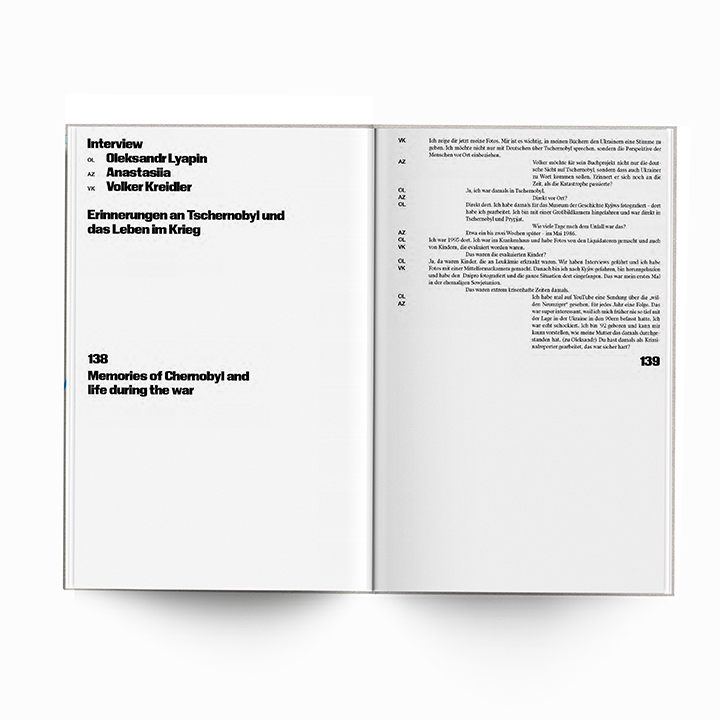
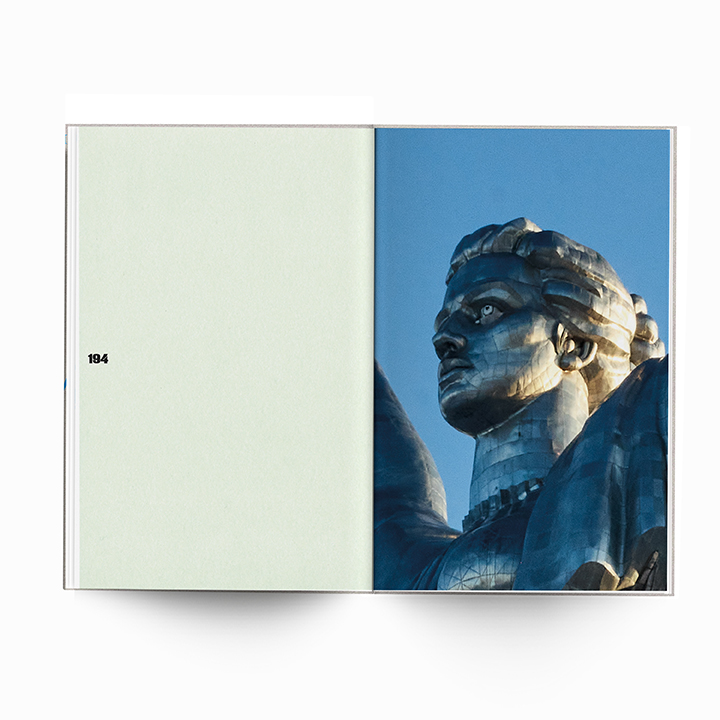
In 2025, Volker Kreidler traveled to Kyiv once again. These photographs are a highly topical testimony to the current political situation in Ukraine. At the heart of the 2025 works is the resilience of the people in Kyiv and the exclusion zone, even in the context of the conditions during the Russian war of aggression.
His long-term project is a manifesto that visualizes the limits of our ability to control our highly technologized world. From the constant, invisible threat of radiation to systemic corruption and the escalation of hostilities: Kreidler’s images make it clear that the risk of nuclear power is never static, but takes on unpredictable dimensions in times of crisis.
“The project comes full circle,” says the photographer. “We are returning to the people we gave a voice to back in 1995. Today, we are documenting a society caught between destruction and an unconditional will for a new beginning in Europe.”
Volker Kreidler (* 1962) has been dedicated to the photographic exploration of Eastern Europe since the fall of the Berlin Wall in 1989. His work navigates the tension between rapprochement with the West and the associated challenges in matters of democracy, education, human rights, and interpersonal relationships.
Exhibitions
24.1.–25.5.2026, Stadthaus Ulm
26.4.–3.5.2026, Haus_1, Berlin (IG: _haus1_)
Juni 2026, Zitadelle Spandau
Book presentations
26.4.2026, im Haus_1, Berlin 16 Uhr
17.5.2026, im Stadthaus Ulm 13–14 Uhr